






Creating a productive home workspace is essential for anyone looking to work efficiently and comfortably outside of a traditional office. Whether you’re working remotely full-time or just need a designated area to tackle personal projects, an organized and well-planned workspace can make a significant difference in your focus and output.
In this post, we’ll explore effective tips to help you set up and maintain a productive home workspace that inspires you to do your best work.
Why Organizing Your Home Workspace Matters
A cluttered or poorly arranged workspace can lead to distractions, discomfort, and decreased motivation. On the other hand, a thoughtfully organized area promotes concentration, reduces stress, and supports a better work-life balance.
By dedicating time to organize your home office, you set yourself up for success by creating an environment that encourages productivity and creativity.
Choosing the Right Location
Find a Dedicated Space
Where you set up your workspace matters. Ideally, choose a quiet area separated from high-traffic zones in your home. This helps reduce interruptions and mentally separates work time from leisure time.
Consider Natural Light
If possible, position your desk near a window. Natural light boosts mood and energy, making long hours feel less tiring. Avoid glare on screens by adjusting the position or using curtains.
Investing in Comfortable and Functional Furniture
Select an Ergonomic Chair
Comfort is key, especially if you spend hours sitting. Choose a chair that supports your back, promotes good posture, and allows for adjustable height and tilt.
Get a Suitable Desk
Your desk should provide enough space for your computer, notes, and any other essentials. Consider desks with storage options to keep necessary items within reach but out of sight.
Keep Essential Tools Easily Accessible
Organize your supplies and devices so that everything has a designated spot. This reduces time spent searching and keeps your workspace tidy.
Use Desk Organizers and Drawers
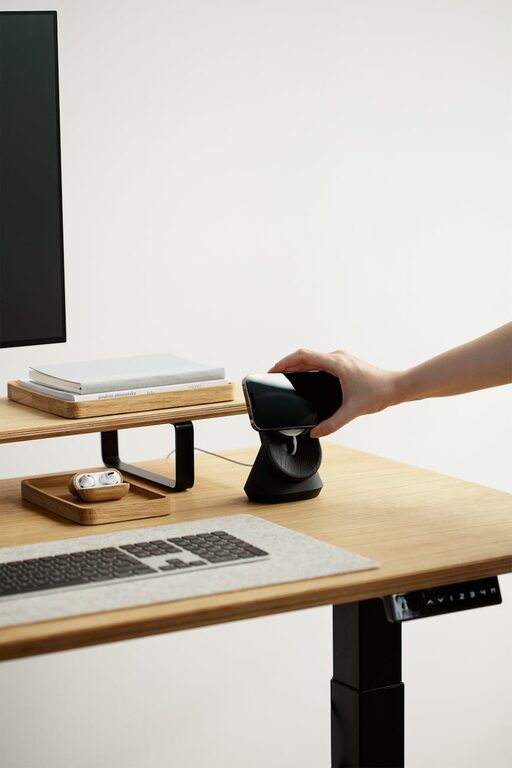
Small containers, trays, or drawer dividers can hold pens, paper clips, chargers, and other small items neatly.
Implement Cable Management
Avoid tangled cords by using clips, sleeves, or ties. This keeps your desk clear and prevents accidental unplugging.
Minimize Clutter and Distractions
Declutter Regularly
Unused papers, old notes, and unnecessary gadgets can quickly pile up. Schedule a weekly or bi-weekly cleanup to maintain order.
Limit Personal Items
While a few personal touches are pleasant, too many can distract. Keep decorations minimal and meaningful.
Control Digital Distractions
Use browser extensions or apps to block distracting websites during work hours. Silence non-essential notifications to maintain focus.
Enhance Lighting and Ambience
Good lighting reduces eye strain and helps maintain alertness.
Add Task Lighting
A desk lamp with adjustable brightness can complement overhead lights, especially during evening hours.
Personalize with Plants or Art
Greenery and artwork can brighten your space and improve your mood, helping you stay motivated.
Establish a Routine and Boundaries
Define Work Hours
Having clear start and end times helps you stay disciplined.
Keep Work and Relaxation Separate
Avoid working from your bed or couch if possible. Being in your designated workspace helps your brain associate the area with productivity.
Utilize Technology to Stay Organized
Digital Tools and Apps
Use calendars, task managers, and note-taking apps to keep track of deadlines and ideas.
Backup and Security
Regularly back up important files and secure your workspace with password protection and updated software.
Final Thoughts
Organizing a productive home workspace takes some upfront effort but pays off by creating a supportive environment for your daily tasks. By choosing the right location, investing in comfortable furniture, minimizing distractions, and maintaining order, you’ll build a foundation for success and satisfaction in your work-from-home routine.
Remember, your workspace should work for you—don’t hesitate to adjust as your needs evolve. Small changes can lead to big improvements in your productivity and comfort.