






Creating a cozy and inviting home workspace is essential for anyone who spends a significant amount of time working from home. A thoughtfully designed workspace not only makes you feel more comfortable but can also improve your focus and productivity. Whether you have a dedicated room or just a small corner to work with, there are simple ways to transform your space into a place you enjoy being in.
In this post, we’ll explore practical tips to help you create a home workspace that feels welcoming and inspires you to get your best work done.
1. Choose the Right Location
Start by selecting a spot in your home that suits your work needs. Ideally, this space should be quiet and free from distractions. Some people prefer working near natural light, while others want a more private corner. Consider these factors:
– Near a window for daylight and fresh air
– Away from high-traffic areas
– Close enough to essential tools like your printer or supplies
If space is limited, a fold-out desk or a compact workstation can fit into smaller areas without overwhelming your home.
2. Prioritize Comfortable and Supportive Seating
Since you’ll spend many hours sitting, your chair is one of the most important elements. Choose an ergonomic chair that supports your posture to prevent discomfort and fatigue. Look for features like:
– Adjustable height and backrest
– Good lumbar support
– Comfortable padding
If an ergonomic chair isn’t an option, add cushions or lumbar pillows to improve comfort.
3. Optimize Lighting for Comfort and Productivity
Proper lighting can reduce eye strain and help maintain your energy throughout the day. Here’s how to get your lighting right:
– Use natural light whenever possible—it boosts mood and focus.
– Add layered lighting, including a desk lamp with adjustable brightness.
– Avoid harsh overhead fluorescent lights.
– Position your light source to minimize screen glare.
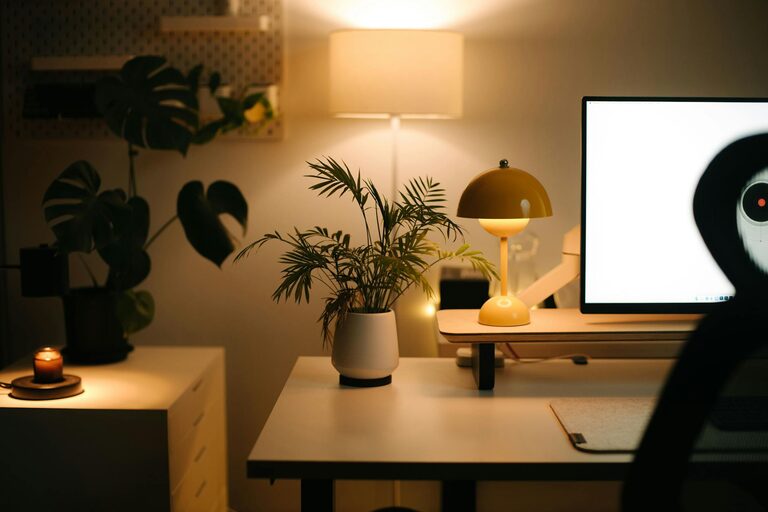
Soft, warm lights create a cozy atmosphere, while a bright desk lamp helps with detailed tasks.
4. Personalize Your Workspace
Adding personal touches makes your workspace feel inviting and uniquely yours. Consider:
– Framed photos or artwork
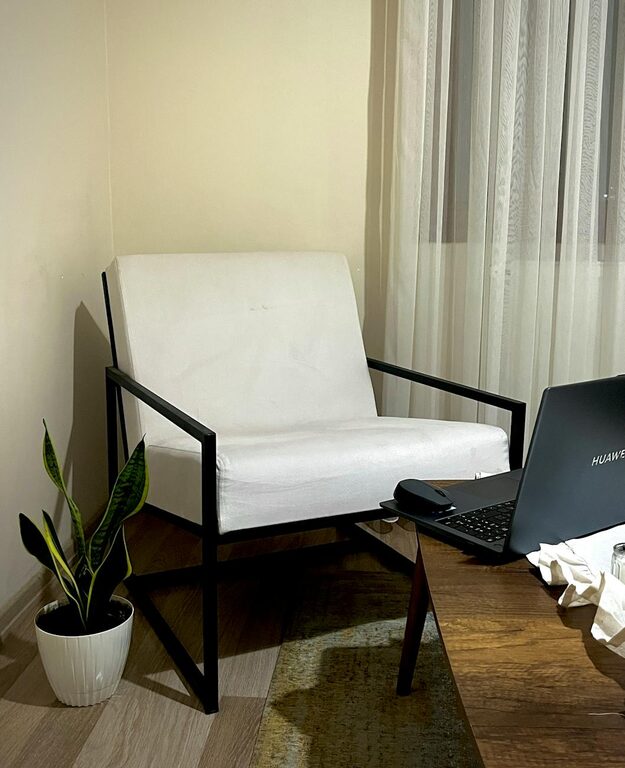
– Plants or small greenery
– Inspirational quotes or vision boards
– Favorite mugs, stationery, or décor pieces
Personalization helps motivate you and makes the space more enjoyable to be in.
5. Keep Your Desk Organized
Clutter can negatively impact focus. Keep your workspace tidy by:
– Using drawer organizers or desktop trays
– Limiting items on your desk to essentials
– Regularly decluttering papers and supplies
– Incorporating storage boxes or shelves nearby
A clean and organized space helps you feel calm and ready to work.
6. Incorporate Soothing Colors and Textures
The colors and textures in your workspace influence your mood. Choose tones that promote calm and focus, such as:
– Soft blues, greens, or neutral colors
– Warm wood tones or natural textures like wicker or cotton
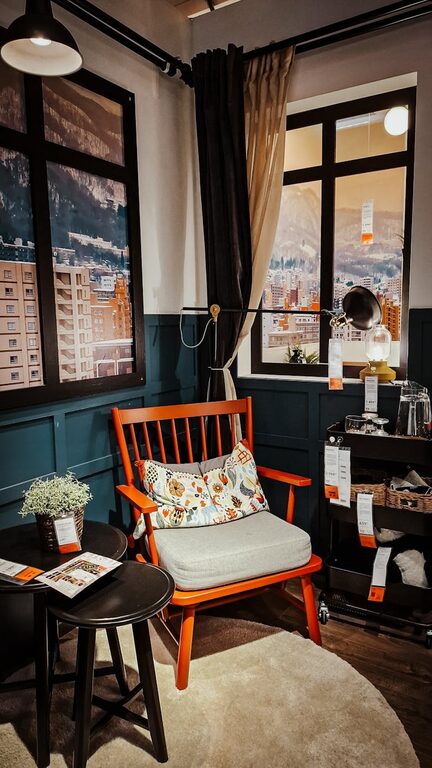
– Cozy touches like a soft rug or throw blanket
Avoid overly bright or harsh colors that may feel overwhelming.
7. Add Functional Accessories
Certain accessories can increase your comfort and convenience:
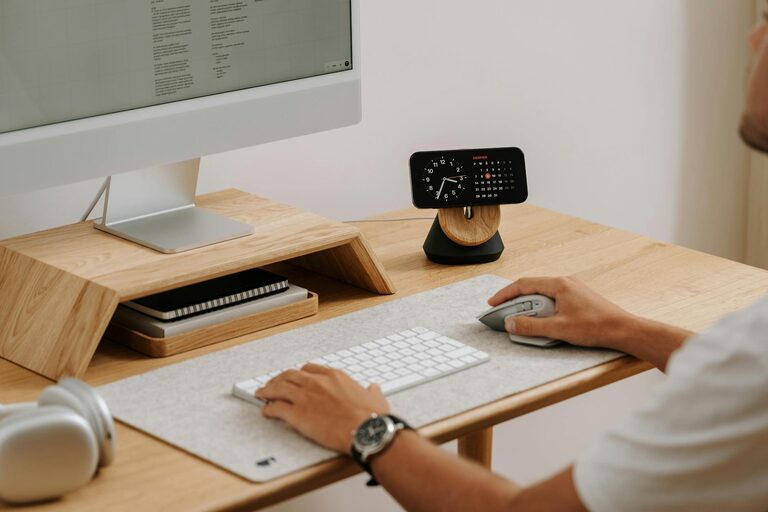
– A keyboard and mouse that fit your hand size
– A laptop stand to align your screen at eye level
– Cable management solutions to reduce clutter
– A water bottle or mug to stay hydrated
These small additions enhance your workflow and reduce discomfort.
8. Manage Noise Levels
If noise is an issue, consider:
– Noise-canceling headphones
– White noise machines or calming background music
– Soundproofing options like heavy curtains or rugs
A quiet environment helps you concentrate better and reduces stress.
9. Take Breaks and Move
Even the most comfortable workspace can’t replace the benefits of movement. Set reminders to stand, stretch, or take short walks throughout your day to maintain your energy and well-being.
Conclusion
Designing a cozy and inviting home workspace is about balancing comfort, functionality, and personal style. By carefully selecting your location, investing in good seating and lighting, organizing your space, and adding personal touches, you create an environment that supports your best work. Remember, your workspace is where you spend much of your day—make it a place you look forward to being in!
Try implementing these tips gradually and adjust your setup as you discover what works best for you. Happy decorating and productive working!